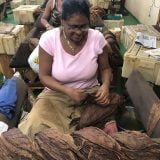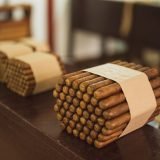
Rolling your own cigar is the fastest way to understand what makes a good one. You will also learn, within about ten minutes, why skilled torcedores are paid what they are.
What a Cigar Is Made Of
Before rolling anything, it helps to understand the three leaf components and what each one does:
- Filler: The blend of tobacco at the core. This is where most of the flavour comes from. Usually two or three different leaf types — ligero (slow-burning, strong), seco (medium), volado (burns easily, adds combustion).
- Binder: A sturdy leaf that holds the filler together in a bunch. Less about flavour, more about structure.
- Wrapper: The outermost leaf, rolled in a spiral from foot to head. The most expensive leaf. Contributes 20–30% of the flavour and most of the visual impression.
Basic Equipment
| Tool | What it does | Can you substitute? |
|---|---|---|
| Chaveta (rocking blade) | Cuts leaves to shape | Sharp craft knife — less precise |
| Cigar mould + press | Holds the bunch in shape while the binder sets | Hands only — harder to get consistent shape |
| Cutting board | Flat surface for trimming | Any firm smooth surface |
| Vegetable gum (goma) | Seals the wrapper at the head | Pectin-based alternatives; not regular glue |
| Hygrometer + storage | Keep finished cigars stable before smoking | Boveda pack in a sealed bag works |
The Rolling Process
Professional rollers work in four stages:
- Bunch: Arrange filler leaves lengthways, roll them loosely by hand into a rough cylinder — this is the bunch.
- Bind: Wrap the binder leaf around the bunch in a spiral. Tuck and press as you go. Place in the mould and press for 30–60 minutes, rotating periodically.
- Wrap: Lay the wrapper on the board, cut to shape, and roll at a 30–40 degree angle from foot to head, stretching slightly as you go. No gaps, no folds.
- Cap: Cut a round piece of wrapper leaf, apply gum, and fold over the head in two or three overlapping layers. Trim cleanly.
What Goes Wrong (and Why)
- Tight draw: Filler packed too densely, or bunch too compressed in the mould. Roll looser next time.
- Loose, open draw: Not enough filler, or binder not tight enough. The cigar will burn unevenly.
- Wrapper tears: Leaf too dry, cut too thin, or wrapped too aggressively. Keep leaves at 65–70% RH before rolling.
- Canoe (one side burns faster): Uneven filler distribution. Ligero should be at the centre — it burns slowest and generates heat that brings the cooler volado up evenly.
- Bitter smoke: The leaf may not have fermented fully, or the tobacco is too moist when rolled. Let it rest in a humidor for 2–4 weeks after rolling before smoking.
Where to Get Leaf
Sourcing quality, properly fermented leaf outside of tobacco-producing regions is the real challenge of home rolling. Most hobbyists work with pre-processed whole-leaf tobacco from importers. In Thailand, importation is restricted and taxes are significant — rolling tobacco for personal use occupies a legal grey area worth understanding before you invest in equipment.
If you want to see professional technique up close, Cigar Emperor occasionally hosts rolling demonstrations. Ask us when the next one is happening.
Is It Worth It?
Home rolling rarely produces a cigar that competes with what a skilled factory roller makes in two minutes. What it does produce is a much better understanding of construction, leaf, and why draw and burn quality are engineering problems as much as they are craft. Most people who try it once become noticeably more discerning smokers.