Latest News
Cigar Lighters: Torch vs Soft Flame and When to Use Each
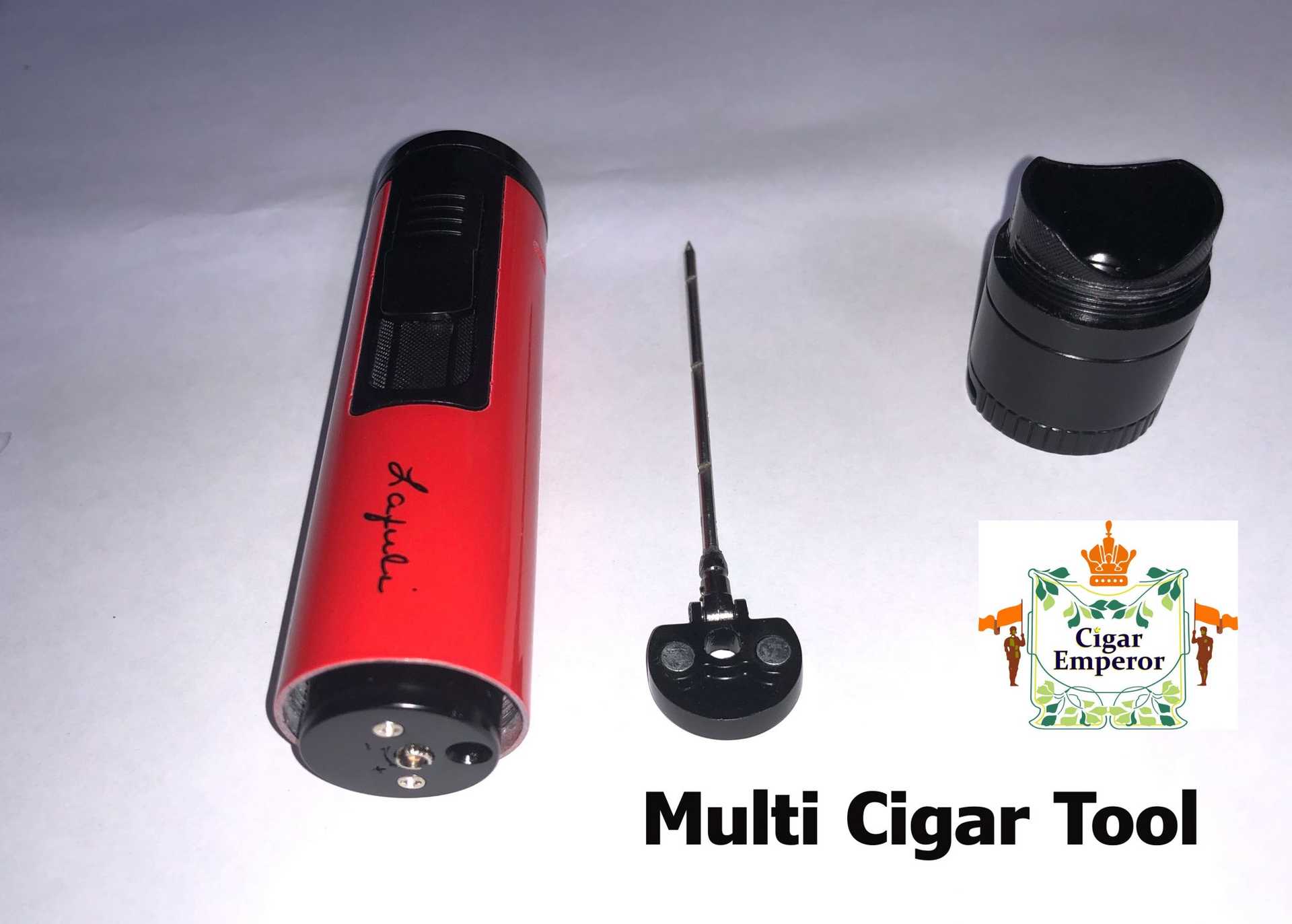
How you light a cigar matters. The wrong approach chars the foot unevenly, scalds the wrapper, or imparts unwanted flavour. The right approach takes thirty seconds and sets the cigar up to burn correctly for the next hour.
The Two Main Types
| Type | Flame character | Best for | Watch out for |
|---|---|---|---|
| Butane torch (single flame) | Hot, focused, windproof | Outdoors, reliable even lighting on any ring gauge | Holding too close — scorch the foot, not toast it |
| Butane torch (double/triple flame) | Hotter, wider, very windproof | Large ring gauge cigars (52+), quick even toasting | Can overheat quickly on thinner cigars |
| Soft flame (butane) | Gentle, slower | Indoor use, no wind; suits a more deliberate lighting ritual | Difficult outdoors, takes longer to fully ignite the foot |
| Cedar spill or matches | Gentle, flavour-neutral | Indoor use; the traditional approach | Takes patience; wind is a problem |
Torch Lighter: The Practical Standard
A single-flame butane torch is the most practical everyday choice. It is windproof, consistent, and works on any cigar. The concern some smokers have about torch lighters — that the hot flame damages the tobacco — is mainly a technique issue rather than an inherent problem with the lighter. Hold the flame a centimetre or two below the foot and rotate the cigar slowly. You are toasting, not scorching.
The key is never to touch the flame directly to the tobacco. Toast the foot until the edge begins to glow, draw gently a few times, and rotate to ensure the foot is evenly lit before smoking normally.
Soft Flame: The Indoor Alternative
Soft flame lighters burn cooler and slower. They suit a careful, unhurried lighting process indoors where there is no wind. Some smokers prefer them for delicate Connecticut-wrapped cigars where the gentle heat feels more appropriate to the cigar’s character. The ritual is different — more deliberate. If that matters to you, it is a legitimate preference.
Outdoors or in any breeze, a soft flame is impractical. Keep a torch for those situations.
What to Avoid
- Petrol lighters (Zippo-style): The petroleum-based fuel imparts a chemical taste. Use butane only.
- Candles: Paraffin wax burns with combustion byproducts that transfer to the tobacco.
- Gas stoves: Uncontrolled, awkward, and the residual gas is unpredictable at the foot.
Fuel and Maintenance
Use refined butane — ideally triple or quadruple-refined. Low-quality butane clogs torch lighter jets, which is the most common reason torch lighters stop working. Purge the tank before refilling (hold the refill valve open with a small tool to release residual gas) and keep the jet clean. A lighter that works reliably is worth maintaining.
We stock a small selection of butane lighters at both MOAT locations. If you need a refill or a replacement, ask when you visit.