

The brand’s story began in 1966, not for commercial sale, but as the exclusive, private smoke of Fidel Castro. These cigars were diplomatic gifts, reserved for heads of state and the highest echelons of power. It wasn’t until 1982 that Cohiba was released to the public, instantly establishing itself as the pinnacle of Cuban cigar craftsmanship. Today, it stands as a symbol of ultimate quality, a reputation that makes it a prime target for the black market.

In Thailand, the high excise tax fuels a thriving counterfeit industry. A cheap Cohiba is a fake Cohiba. Period. The risk is not just a wasted investment; it’s consuming a product of unknown origin and quality. The only defense is to purchase from a verified, legal source. It is critical to understand the difference between the original Cuban Cohiba, produced by Habanos S.A., and the non-Cuban version made by General Cigar Company in the Dominican Republic for the American market. The legendary status and flavor profile belong to the Cuban original.
The Genesis of a Legend: Cohiba’s Story
Cohiba’s origin is unique. It started in 1966 as a private blend, not for the market. These cigars were a privilege, smoked only by Fidel Castro himself and used as gifts for foreign dignitaries and heads of state. The brand remained cloaked in exclusivity for over a decade. It was only in 1982 that Cohiba saw its public release. This move immediately positioned it as the pinnacle of Cuban cigars, a mark of ultimate quality. This very reputation makes it the most counterfeited cigar brand globally.
Navigating the Thai Market: Authenticity is Non-Negotiable
Thailand’s high excise tax drives a rampant black market for cigars. A cheap Cohiba is a fake Cohiba. This is a simple truth. The risk goes beyond a wasted investment. Consuming a counterfeit product means unknown origin and quality. The only safeguard is to buy from a verified, legal source. There are two distinct Cohibas: the original Cuban Cohiba from Habanos S.A., and a non-Cuban version from General Cigar Company in the Dominican Republic. The true legendary status belongs to the Cuban original.

Notable Cohiba Lines: A Deep Dive into Cuban Excellence
The Cohiba brand offers several distinct lines, each with its own character, yet all share the hallmark of Cuban quality.
The Flagship: Behike Series
The Behike line, launched in 2010, represents the pinnacle of Cuban tobacco expression. Its uniqueness comes from the ‘Medio Tiempo’ leaf. These are the small, sun-drenched top two leaves of the tobacco plant. Not every plant produces them. They absorb the most sunlight and nutrients, leading to an exceptionally intense and complex flavor. The Behike’s rarity and unparalleled taste make it one of history’s most sought-after cigars. The Behike 58 has even set auction records, fetching over €11,500 per cigar.
The Classics: La Línea Clásica, Siglo Series, and Maduro 5
Each Cohiba line brings a distinct experience:
| Line | Wrapper | Strength | Flavor Notes | Common Vitolas |
|---|---|---|---|---|
| La Línea Clásica | Cuban | Medium | Grassy, honey, vanilla, earthy | Corona Especial (6×38), Espléndido (7×47) |
| Siglo Series | Cuban | Medium | Cream, coffee, leather, subtle spice | Siglo I (4″×40), Siglo VI (5⅞″×52) |
| Maduro 5 | Cuban Maduro (Aged 5 Years) | Medium to Full | Dark chocolate, roasted coffee, sweet spice | Genios (52), Magicos (52), Secretos (40) |
| Behike Series | Cuban (with Medio Tiempo) | Medium to Full | Cream, chocolate, coffee, nuts, earth | BHK 52 (4¾″×52), BHK 54 (5⅔″×54), BHK 56 (6½″×56) |
Specs & Manufacturing: The Art of a Cohiba
The heart of a Cohiba cigar lies in the legendary Vuelta Abajo region of Cuba’s Pinar del Río province. This region is known globally as the best tobacco-growing land. Every component of a Cuban Cohiba—wrapper, binder, and filler—comes from this prized soil. But the process goes further.
Triple Fermentation: Cohiba’s Signature
What truly sets Cohiba apart is its unique triple fermentation process. Most Cuban cigars undergo two fermentations. Cohiba’s filler leaves undergo a third fermentation in barrels. This extra step removes more ammonia and impurities. The result is a famously smooth, balanced, and refined smoke. It is less harsh than other cigars. You can learn more about the general process of how cigars are made to appreciate this distinction.
Master Craftsmanship at El Laguito
The handmade construction at the famous El Laguito factory in Havana is flawless. Master rollers, or torcedores, ensure each cigar has a perfect draw and even burn. This is a testament to the highest levels of quality control. The Behike 58, for example, starts with chocolate and nutty notes in the first third. It evolves into coffee flavors in the middle. It intensifies beautifully in the final third. All this happens while maintaining perfect balance. This is the result of superior raw materials combined with unparalleled craftsmanship.
A Look at the Cohiba Lanceros
The Cohiba Lanceros is a current regular production cigar. Its factory name is Laguito No.1. The dimensions are a ring gauge of 38 and a length of 192mm (7½″). The official weight is 10.29g. It is handmade. This vitola was released in 1964 and has been in continuous production since then. SOURCE. Average ratings based on 33 reviews show high scores for Elegance, Balance, Strength, Complexity, and Aftertaste, with an overall average of 4.275 out of 5. SOURCE.
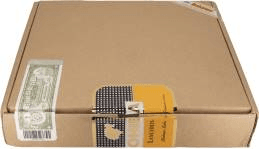
Tasting notes for the Cohiba Lanceros, based on 33 reviews, highlight a range of flavors. Honey is a dominant note, followed by grass, hay, mocha, butter, coffee, and vanilla. Other notes include spice, cream, baking spice, citrus, and floral hints. SOURCE.
Storage & Care: Protecting Your Investment
An authentic Cohiba is a significant investment. Protecting that investment, especially in Thailand’s punishing climate, is paramount. The delicate, triple-fermented leaves and pristine wrappers are highly susceptible to humidity fluctuations. Improper storage can lead to problems. This includes cracked wrappers, uneven burns, or mold. These issues completely destroy the cigar’s complex flavor profile.

The ideal conditions for cigar storage are a constant 65-70% relative humidity and 18-21°C. Given Thailand’s high ambient humidity, a high-quality, well-maintained humidor is not a luxury; it is a necessity. It preserves a Cohiba’s integrity. For a complete overview of best practices, see our definitive guide on how to store cigars properly.
Buying & Availability in Thailand: The Only Way is Legal
Cohiba is the world’s most counterfeited cigar. Authenticity is everything. The only way to guarantee a genuine Cuban Cohiba in Thailand is to buy from an officially certified Habanos S.A. retailer. Cigar Emperor is a verified legal importer and Habanos certified. This status can be confirmed directly through the official Habanos distributor portal. Every box comes with the requisite Thai FDA registration and excise duty stamps. This provides an unbreakable chain of legal and authentic custody.

This standard is non-negotiable. Any vendor offering Cohibas at a steep discount, or without verifiable legal paperwork, is dealing in fakes. To explore the range of legally imported cigars, including Cohiba when available, you can learn more about how to shop for cigars in Thailand legally and safely. For current availability, check the official Cigar Emperor price lists.
Related Brands: Expanding Your Palate
Aficionados who appreciate Cohiba’s refined and complex character often explore other high-end brands that share a commitment to quality:
- Trinidad: Often compared to Cohiba for its elegance and complexity. Trinidad was also once a diplomatic-only cigar. It offers a similarly refined, medium-bodied experience with rich, aromatic flavors.
- Partagas: For those who enjoy the quality of a Habanos puro but seek a fuller, more robust flavor profile, Partagas is a classic choice. It delivers the signature earthy and peppery notes characteristic of top-tier Cuban tobacco.
- Arturo Fuente: While not Cuban, enthusiasts who value Cohiba’s exceptional craftsmanship and aging will appreciate the Arturo Fuente Hemingway line. Made in the Dominican Republic with a delicate Cameroon wrapper, it offers a different, yet equally complex and balanced, profile built on decades of family tradition.
Frequently Asked Questions
- What makes the Cohiba Behike so special and expensive?
- The Behike’s prestige comes from its use of Medio Tiempo leaves. These are the sun-ripened top two leaves of the tobacco plant. They are only found on a small percentage of plants. These leaves, combined with Cohiba’s signature triple fermentation, create an exceptionally rare and intensely flavorful smoke. Its limited production and high demand drive its price, with the Behike 58 setting auction records of over €11,500 per cigar.
- How can I be sure my Cohiba in Thailand is not a fake?
- First, buy exclusively from an officially certified Habanos S.A. retailer. Second, inspect the box for the correct holographic seals, barcodes, and the official Thai excise duty stamp. An authentic retailer will be able to verify the box’s code on the Habanos website. If a deal seems too good to be true, it is.
- What is the difference between a Cuban Cohiba and a non-Cuban Cohiba?
- The primary difference is the origin of the tobacco and the manufacturer. The original, iconic Cohiba is made in Cuba by Habanos S.A. using 100% Cuban tobacco. The non-Cuban version is produced in the Dominican Republic by General Cigar Company, using Dominican and other non-Cuban tobaccos. They are two entirely different cigars that happen to share a name due to trademark disputes.
- What does ‘triple fermentation’ actually do for the cigar?
- The third fermentation stage is unique to Cohiba’s filler leaves. This process breaks down more of the harsh tars and ammonia from the tobacco. This results in a significantly smoother, cleaner, and more refined flavor profile. It reduces the ‘edge’ found in many other powerful cigars, creating Cohiba’s signature balanced elegance.
References & Further Reading
- Official Habanos Distributor Portal
- Financial Times: The cult of the Behike
- Cohiba Lanceros | Cuban Cigar Website
