Russia
Tobacco in Russia: A Deep Dive into Its History, Cultivation, and Market Dynamics
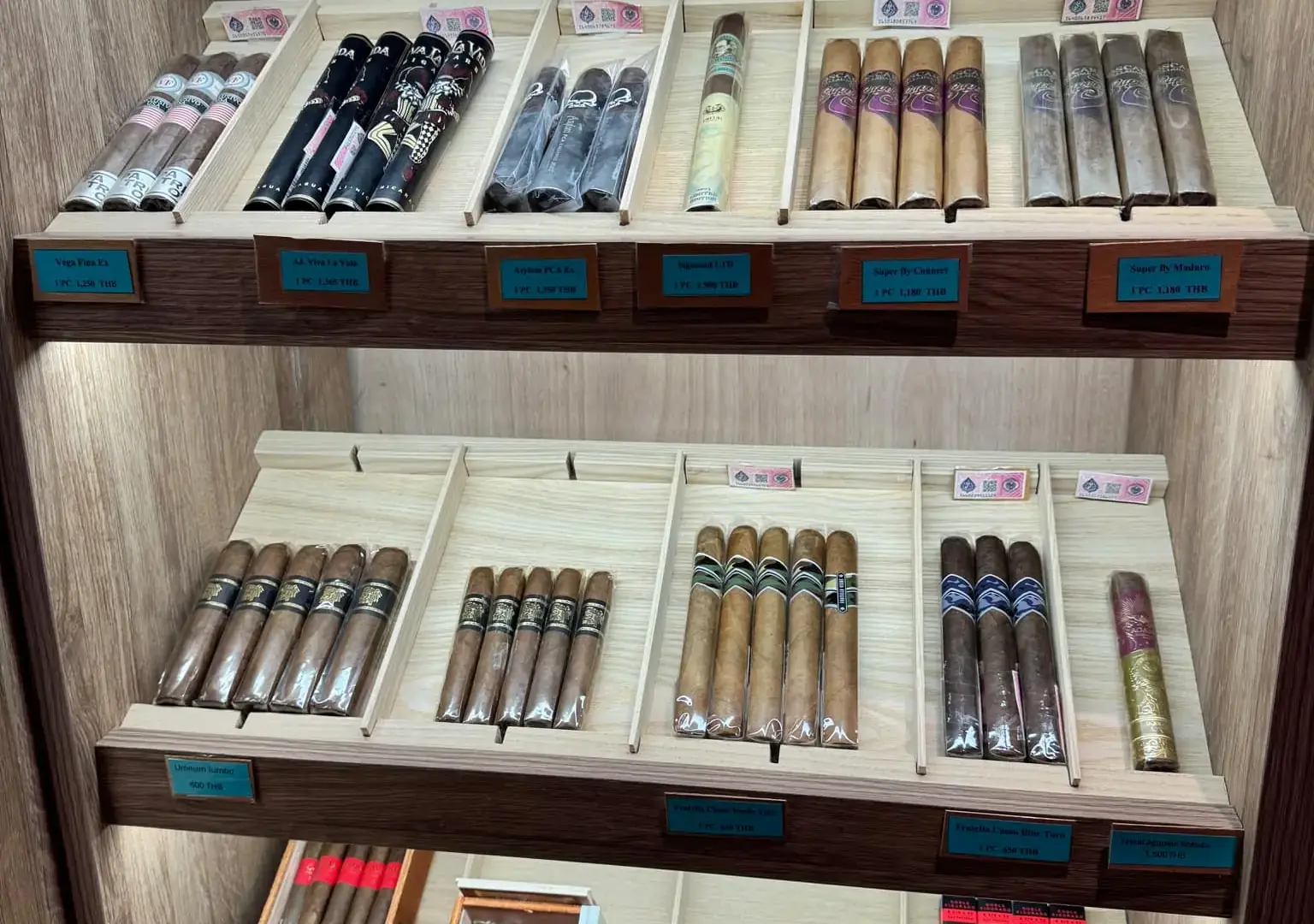
Russia’s tobacco journey began with a ban in 1634, only to evolve into a state monopoly and later a free market, shaping a unique industry.
Understanding this history is crucial for any serious cigar enthusiast looking to grasp the global tobacco landscape.
Tobacco arrived in Muscovy via English and Dutch merchants in the late 16th century, spreading rapidly despite a 1634 prohibition (OpenEdition Books). This early resistance highlights the plant’s enduring appeal. From 1697 to 1762, Russia operated a state-administered tobacco monopoly, a period that centralized control over its production and sale. Following this, cultivation and trade became free, as decreed by the Sobornoye Ulozheniye of 1649 and the de-monopolization in 1762 (OpenEdition Books). This shift laid the groundwork for the industry’s modern structure.
Key Takeaways
- Russia’s tobacco history includes a significant period of state monopoly, later de-monopolized.
- The Southern Federal District is the primary growing region, focusing on Oriental leaf types.
- Illicit trade and Western sanctions pose significant challenges to the Russian tobacco market.
Executive Summary
Russia’s tobacco industry is characterized by its historical state control, a focus on sun-cured Oriental leaf primarily from the Southern Federal District, and a regulatory framework governing production and circulation (FAOHome). Significant challenges include a high share of illicit trade and the impact of international sanctions (expertsouth.ru).
Overview & Historical Context
The introduction of tobacco to Russia in the late 16th century by English and Dutch merchants marked the beginning of its complex relationship with the plant (OpenEdition Books). Despite an initial ban in 1634, tobacco quickly gained popularity. This early prohibition highlights the societal impact and the challenges authorities faced in controlling its spread. The subsequent establishment of a state-administered tobacco monopoly, from 1697 to 1762, demonstrates a shift towards controlled revenue generation (OpenEdition Books). This period of state control, outlined in the Sobornoye Ulozheniye of 1649, eventually gave way to a free market for cultivation and sale in 1762 (OpenEdition Books). This historical trajectory has shaped the unique characteristics of Russia’s tobacco industry, distinguishing it from many Western markets.
Key Tobacco Growing Regions
The Southern Federal District stands as Russia’s traditional and primary leaf-growing zone (Wikipedia). By 2017, this region was responsible for an annual production of approximately 10,000 to 17,000 tons of tobacco (Wikipedia). The Chechen Republic and Krasnodar Krai are the leading areas within this district, contributing significantly to the national output (Wikipedia). These regions cultivate five main Oriental tobacco types: Остролист, Трапезонд, Американ, Дюбек, and Самсун (Wikipedia). The climate and soil conditions in the Southern Federal District are conducive to growing these specific varietals, which are known for their distinct characteristics.
Main Tobacco Types & Characteristics
Russia primarily cultivates Oriental varietals, which are characterized by their thin, small leaves (Wikipedia). The main types include Остролист, Трапезонд, Дюбек, and Самсун (Wikipedia). These leaves undergo a specific curing process: they are sun-cured in open air for approximately two weeks (Philip Morris International). This method yields a fragrant, low-nicotine leaf, which is distinct from other curing processes. The resulting tobacco is known for its herbal, spicy, and nutty flavor notes (Wikipedia). These characteristics make Russian Oriental tobacco suitable for specific blends, often contributing to the aromatic qualities of cigarettes rather than premium cigars.
Production System & Regulation
Tobacco cultivation in Russia is carried out by small mechanized farms, operating under federal oversight (FAOHome). Federal Law No. 203-FZ, enacted on June 13, 2023, provides the legal framework for the production and circulation of tobacco and nicotine products (Wikipedia). Processing is centralized among 18 main tobacco producers, as recorded in 2017 (Wikipedia). These producers collectively generated over 209 billion cigarette units in 2019, contributing approximately 600 billion ₽ in excise revenue (Wikipedia). This robust output underscores the economic significance of the tobacco sector within Russia.

Role in Global Trade
Russia’s involvement in the global tobacco trade primarily revolves around processed tobacco. In 2023, the country exported processed tobacco valued at USD 173 million (The Observatory of Economic Complexity). While this indicates a presence in the international market, Russia does not supply major premium cigar wrappers or binders (Wikipedia). Its contribution to the premium cigar segment is minimal, focusing instead on other tobacco products.
Cigar-Specific/Unique Market Features
Historically, Russia utilized Nicotiana rustica, known as makhorka, as an industrial filler for Soviet-era cigarettes and inexpensive cigars (Wikipedia). Today, makhorka remains a minor, low-grade niche crop (Wikipedia). This contrasts sharply with countries known for premium cigar tobacco, which cultivate specific varietals for their wrapper, binder, and filler qualities. Russia’s domestic cigar market, while emerging, relies heavily on imported premium cigars rather than local leaf for high-end products.

Current Challenges & Future Outlook
The Russian tobacco market faces significant hurdles. Illicit trade is a major concern, reaching 12.1% of the market share in 2022 (expertsouth.ru). This widespread illicit activity has resulted in substantial budget losses, estimated at approximately 300 billion ₽ over five years (expertsouth.ru). Furthermore, the industry is hampered by antiquated and energy-inefficient curing infrastructure, which impedes its competitiveness on a global scale (Wikipedia). High tax burdens also contribute to these challenges. Western sanctions imposed since 2022 have further complicated the situation, forcing major international firms like BAT and PMI to suspend or significantly reduce their operations by about 30% (Wikipedia). This contraction in capacity presents a formidable obstacle to the industry’s future growth and stability.
Fast Facts Table
| Regional Production (2017) | 10,000–17,000 t (Southern Federal District) (Wikipedia) |
| Processed Tobacco Exports (2023) | USD 173 Million (The Observatory of Economic Complexity) |
| Illicit Market Share (2022) | 12.1% (expertsouth.ru) |
References & Further Reading
- OpenEdition Books: El tabaco y la esclavitud en la rearticulación imperial ibérica (s. xv-xx) – Institutional development of the tobacco legislation in Russia in the early 17th- late 19th century – Publicações do CIDEHUS
- Wikipedia: Табачная промышленность России
- Philip Morris International: Tobacco curing
- FAOLEX Database: See More
- Wikipedia: Nicotiana rustica
- expertsouth.ru: Нелегальный табак вырос на Юге России
- The Observatory of Economic Complexity: Processed Tobacco in Russia Trade
See Also / Related Tobacco Markets
- Tobacco in Cuba: The Definitive Source for Premium Cigar Leaf
- Tobacco in Ukraine: Small-Scale Industry and Challenges
- Tobacco in Turkey: Renowned for Sun-Cured Oriental Leaf
- Tobacco in China: World’s Largest Producer and Consumer
- Tobacco in United States: History, Regions, and Regulation