Honduras
Tobacco in Honduras: The Heartbeat of Premium Cigars

Honduras stands as a titan in the world of premium cigars, a legacy built on fertile lands and generations of expertise.
Understanding its tobacco is key to appreciating the depth and quality of many New World smokes.
Key Takeaways
Further Reading: Cigars from This Region
- Honduras is a leading exporter of handmade premium cigars, with a history rooted in 16th-century Spanish colonial plantations.
- Key growing regions like Danlí, Jamastrán Valley, and Copán produce distinct, high-quality tobacco leaves.
- The country specializes in Criollo cubano and Corojo de sombra varietals, crucial for binders and fillers, alongside Connecticut shade for wrappers.
Executive Summary
Honduras has evolved into a pivotal player in the global cigar industry, renowned for its rich tobacco and skilled craftsmanship. The nation’s unique climate and soil conditions contribute significantly to the distinctive character of its premium cigars.
Overview & Historical Context
Tobacco arrived in Honduras with the Spanish in the 16th century, establishing colonial plantations that capitalized on the region’s fertile soils and favorable climate [1]. This early introduction laid the groundwork for centuries of cultivation. The land proved receptive, and the climate provided the consistent warmth and humidity necessary for robust tobacco growth. For generations, tobacco remained a significant, though often state-controlled, crop. A national decree in 1883 dismantled the state monopoly on tobacco, opening the doors for private farmers to cultivate the crop across the country. This pivotal legislative shift was a game-changer. It liberated cultivation, allowing for widespread expansion into new growing areas, notably the Jamastrán and Talanga valleys [2]. This move fostered a competitive environment, pushing growers to refine their techniques and specialize in varietals best suited for premium cigar production. The industry began its true ascent, moving from a colonial commodity to a national craft.
Key Tobacco Growing Regions
Danlí in El Paraíso is the country’s premier tobacco hub. Its volcanic soils, rich in minerals, and its specific altitude create a microclimate often compared to Cuba’s Pinar del Río, producing full-bodied leaf with a distinct character [3]. This region is not just a location; it is a crucible where tobacco gains its strength and depth. Since the 1960s, the Jamastrán Valley has earned renown among cigar makers for its robust, richly flavored tobacco [4]. The valley’s unique blend of sun and soil contributes to leaves that provide a powerful, consistent backbone to many blends. The Copán region, with its deep volcanic deposits, holds an even older history. It supported indigenous Mayan cultivation long before colonial estates, sustaining tobacco traditions for millennia [5]. This ancient lineage speaks to the inherent suitability of the land for tobacco, a testament to its enduring quality.
Main Tobacco Types & Characteristics
Honduras specializes in **Criollo cubano** and **Corojo de sombra** (shade-grown) varietals. These leaves are air-cured, a process that allows them to develop complex spicy and earthy profiles, making them indispensable for binder and filler in premium cigars [6]. The Criollo cubano offers a foundational strength and a classic, robust flavor. Corojo de sombra, grown under cheesecloth to protect it from direct sun, yields a thinner, more elastic leaf, perfect for wrappers, though in Honduras it often finds its way into binders and fillers for its unique flavor contribution. **Connecticut shade** is also cultivated on select farms, yielding silky, uniform wrappers [6]. These wrappers are prized for their smooth appearance and mild flavor, providing a clean canvas for the filler blend. The **Criollo 98** strain, a dark air-cured Habano, is a workhorse in artisanal puros. It yields approximately 14–16 leaves per plant and exhibits strong resistance to common fungal diseases [7]. This varietal offers rich color and texture, contributing significantly to both the visual appeal and the smoking experience of a cigar. The careful selection and curing of these varietals are what give Honduran cigars their distinctive character and complexity.
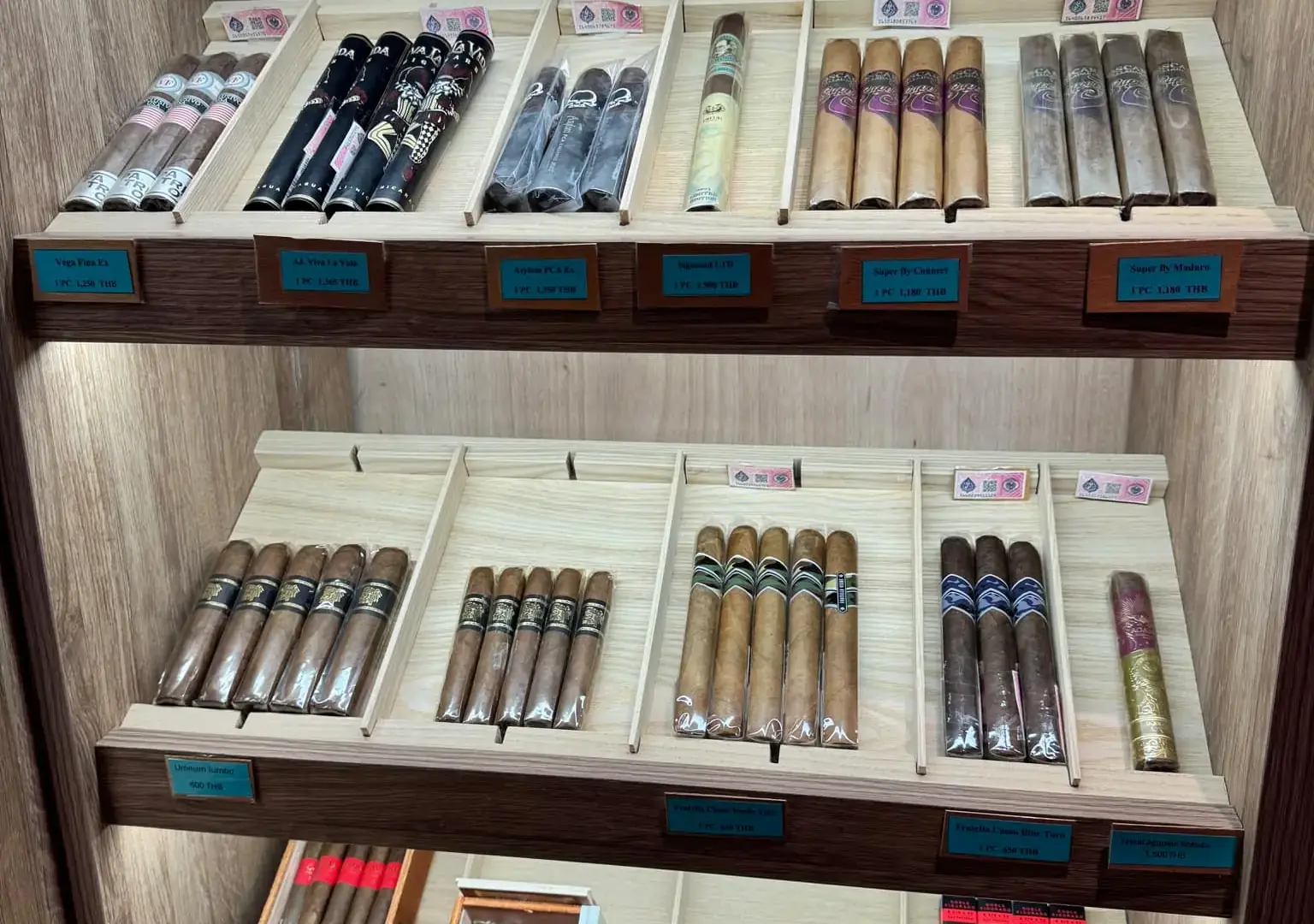
For those seeking authentic, legally imported cigars, understanding the origins and quality of tobacco is paramount. Explore the full range of premium cigars available, including those featuring Honduran tobacco, on the Cigar Emperor price list.
Honduran tobacco is not just a component; it is the soul of many world-class cigars.
– Dr. Matthew T. Nekvapil
Production System & Regulation
Tobacco cultivation is largely managed by smallholder farmers, organized under the Secretaría de Agricultura y Ganadería (SAG). This structure ensures a broad base of growers, but also presents unique challenges. Industry representation is provided by ANDI and APROTABACOH [8], bodies that advocate for the sector’s interests and help navigate the regulatory landscape. Honduras applies a 35% most-favoured-nation tariff on leaf tobacco and a substantial 60% on cigarettes, as of 2020 [9]. These tariffs influence both import and export dynamics, shaping the market for finished products and raw leaf. Farmers register with SAG to access technical support, which is crucial for improving yields and quality. This registration also ensures compliance with sanitary and export certification standards, vital for maintaining access to international markets. The regulatory framework aims to balance agricultural development with public health considerations, a complex task in any tobacco-producing nation.

Role in Global Trade
Honduras has cemented its position as a global force in the cigar world. Leveraging optimal soils, a consistent climate, and a highly skilled labor force, the nation stands as a leading exporter of handmade premium cigars [10]. This is not by accident; it is the result of deliberate cultivation and craftsmanship. Factories are concentrated around Danlí, a region that has become synonymous with Honduran cigar excellence. This concentration allows for efficient supply chains and a deep pool of experienced rollers and blenders. Local Criollo and Corojo leaves play core roles as binder and filler in renowned brands like Raíces Cubanas and Plasencia Organic Reserve. These leaves provide the foundational strength, flavor, and burn characteristics that define many Honduran cigars. While these local leaves are critical, wrappers are often sourced from specialized regions, including Connecticut shade or Cuban-seed shade cultivars [6]. This strategic sourcing allows Honduran manufacturers to achieve specific aesthetic and flavor profiles, ensuring their cigars meet the exacting standards of the global premium market. The country’s export success is a direct reflection of its commitment to quality and its ability to produce tobacco that consistently performs.
Cigar-Specific/Unique Market Features
Honduras’s unique market feature is its remarkable versatility in tobacco production. It cultivates a diverse range of tobacco types, from the robust Criollo and Corojo, which provide the power and depth for internal components, to the delicate Connecticut shade, yielding the smooth, aesthetically pleasing wrappers. This versatility allows Honduran cigar makers to craft a wide spectrum of premium cigars, catering to varied palates and market demands. The country’s commitment to traditional cultivation methods, passed down through generations, is combined with modern agricultural practices. This hybrid approach ensures consistent quality and allows for innovation in leaf development. This dedication has solidified Honduras’s reputation not just as a producer, but as a reliable source for exceptional cigar tobacco that can stand alone or complement other leaves in complex blends. The Honduran cigar is often characterized by its earthy, spicy notes, a direct reflection of its unique terroir and curing processes.
Current Challenges & Future Outlook
Despite impressive yields, reaching 17,184 kg/ha in 2022, tobacco cultivation occupies only a small fraction—0.10%—of agricultural land [9]. This indicates limited room for expansion, a significant constraint for a growing industry. Smallholders, who comprise a substantial 70% of the rural workforce, face significant hurdles. These include limited access to finance, inadequate infrastructure, and insufficient logistic services. These challenges exacerbate their vulnerability to unpredictable market fluctuations and the increasing severity of climate shocks [11]. The future resilience of the sector hinges on several key initiatives. DICTA’s release of improved tobacco varieties is crucial for enhancing disease resistance and yield. The adoption of energy-efficient curing methods will reduce environmental impact and operational costs. Furthermore, continued growth in boutique cigar niches offers a pathway for higher value and differentiation in the global market. Honduras must navigate these challenges to maintain its standing as a premium tobacco producer.
Fast Facts Table
| Tobacco Production (2022) | 5,847 tonnes |
| Agricultural Land Occupied by Tobacco | 0.10% |
| Export Value (2022) – Rolled Tobacco | USD 207 Million |
| Export Value (2022) – Tobacco & Substitutes | USD 237.5 Million |
| Tariff on Leaf Tobacco | 35% (Most-Favoured-Nation) |
| Tariff on Cigarettes | 60% (2020) |
The world of premium cigars is vast, but the foundation of quality always begins with the leaf. For those who demand authenticity and excellence, explore the curated selection of legally imported cigars at Cigar Emperor. Every stick is a testament to quality, from seed to smoke. Discover the difference of a truly authentic cigar.
References & Further Reading
- The History of Honduran Cigars – Puroexpress Blog
- The Rise of The Cigar Industry Underdog: Honduras – CompassLongview
- Tobacco Cultivation Regions: Honduras – The Cigar Library
- Tobacco College | Cigar Regions – Tobacconist University
- Outpost Field Notes: Honduras – CAO Cigars
- Honduras – Tabacopedia
- [PDF] Evaluación económica de diferentes programas de fumigación del …
- [PDF] Honduras – Global Tobacco Index
- [PDF] Honduras – World Health Organization (WHO)
- Cigars & Tobacco | Asociación Hondureña de Maquiladores
- Smallholders in Honduras Weather the Effects of Climate Change – GAFSP Fund