Dominican Republic
Tobacco in the Dominican Republic: The World’s Premium Cigar Powerhouse
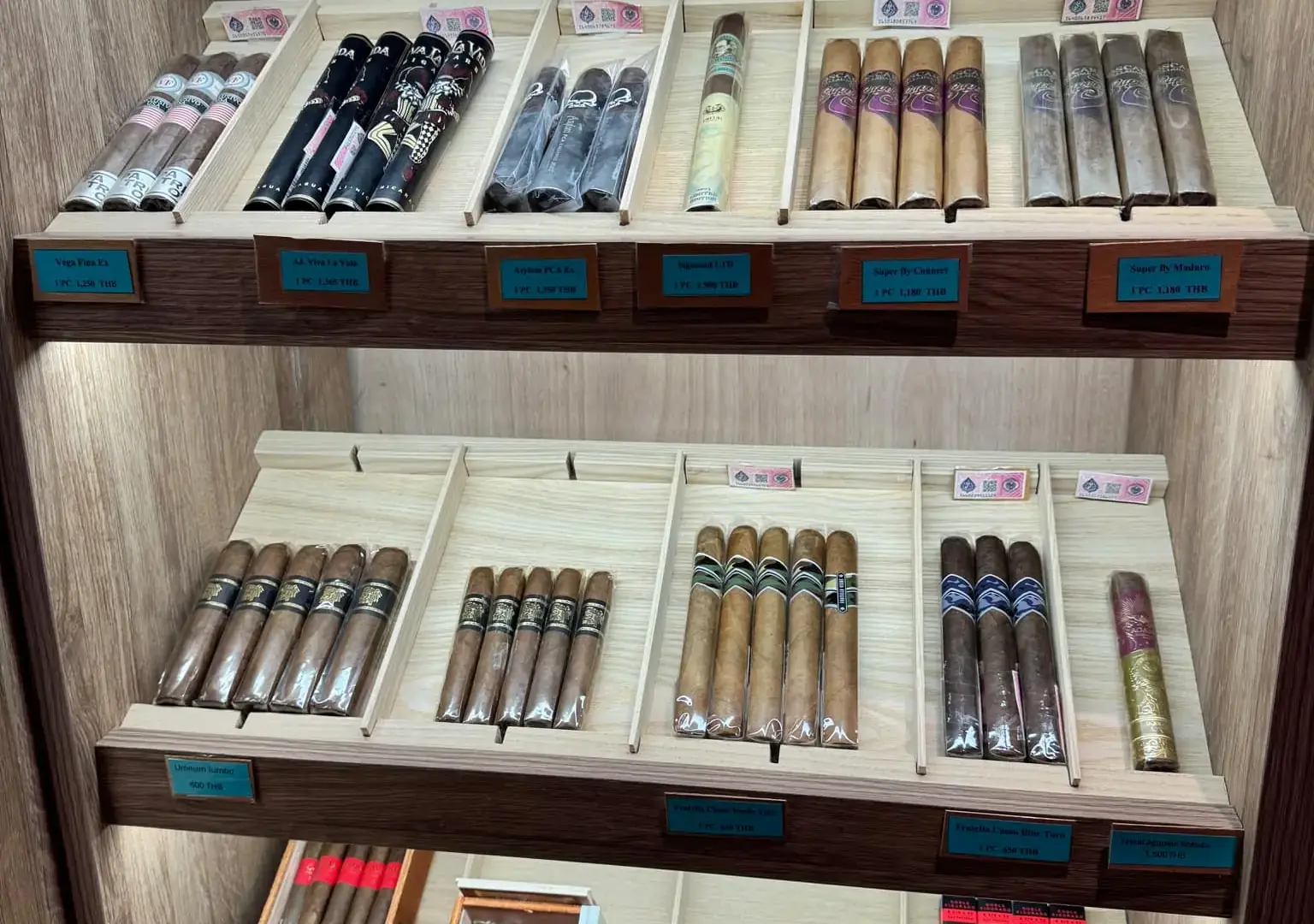
The Dominican Republic stands as the world’s leading exporter of premium cigars.
This nation’s tobacco history, rooted in ancient traditions and shaped by modern regulation, directly impacts the quality and availability of the cigars enjoyed globally. Understanding its unique cultivation and production systems is essential for any serious buyer.
The Dominican Republic’s influence on the global cigar market is undeniable. It is the world’s leading exporter of premium cigars, a position earned through centuries of tobacco cultivation and a dedicated focus on quality leaf. This dominance is not accidental; it is the result of a rich history, specific growing conditions, and a robust regulatory framework.
Key Takeaways
Further Reading: Cigars from This Region
- The Dominican Republic is the world’s top exporter of premium cigars, with manufactured tobacco exports reaching US $720 million in 2017.
- Tobacco cultivation is concentrated in the Cibao Valley, particularly around Villa González, accounting for 85 percent of national plantings.
- Piloto Cubano is the dominant tobacco type, valued for its aroma and flavor, and used extensively as filler and wrapper.
- INTABACO and the Ministry of Agriculture regulate production, supporting smallholder farmers and ensuring quality.
- Challenges include declining land use, outdated curing infrastructure, and hurricane risks, impacting future growth.
Overview & Historical Context
Tobacco in the Dominican Republic has deep roots, tracing back to pre-Columbian Taíno and Arawak cultivation. These indigenous peoples used tobacco for ritual purposes, establishing its presence long before European arrival. Spanish colonial rule brought disruptions, but tobacco cultivation persisted. A significant turning point arrived with the formal state support for the industry. Law No. 5961, enacted on June 15, 1962, established INTABACO, the National Tobacco Institute. This body was created to regulate and promote tobacco production, laying the groundwork for the modern industry (Brill) (wp.intabaco.gob.do). This institutional backing was crucial in developing the Dominican Republic into the cigar powerhouse it is today.
Key Tobacco Growing Regions
The heart of Dominican tobacco cultivation lies in the Cibao Valley. In 2022, national tobacco plantings covered 7,405 hectares (Tobacco Atlas). Of this, approximately 6,334 hectares, or 85 percent, were concentrated around Villa González. This area, located in the Yaque sub-valley near Santiago de los Caballeros, is the epicenter of the nation’s tobacco production (Cigar Aficionado). The fertile soils and favorable climate of the Cibao Valley provide ideal conditions for growing the high-quality leaf that defines Dominican cigars.
Main Tobacco Types & Characteristics
Dominican tobacco production primarily focuses on dark air- and sun-cured leaf. In 1999, over 92 percent of the nation’s output fell into this category (USDA Apps). Within this, Piloto Cubano is the dominant varietal, comprising 68 percent of the dark leaf production. Piloto Cubano is highly valued for its aroma and flavor, making it a cornerstone of Dominican cigar blends. Amarillo Parado accounts for 3.2 percent, primarily used as filler. The remaining tobacco is used for blending purposes (USDA Apps). All these leaves are cured in traditional barns and yards, a process that typically takes four to eight weeks, contributing to their distinct characteristics.
Production System & Regulation
Tobacco cultivation in the Dominican Republic is predominantly carried out by smallholder farmers. These farmers are registered with INTABACO, which plays a central role in the industry. Support for cultivation also comes from IDIAF, the Dominican Institute for Agricultural and Forestry Research, established by Law 289/1985. IDIAF provides crucial research and extension services to farmers (agricultura.gob.do). Regulatory oversight for the sector falls under the Ministry of Agriculture and INTABACO, guided by Presidential Decree 5961 (1962) and annual sector resolutions (wp.intabaco.gob.do). In 2019, raw tobacco faced a 30 percent Most Favored Nation (MFN) tariff, while cigarettes incurred a 40 percent tariff.

Cigar-Specific Relevance
The Dominican Republic’s global standing as the leading premium cigar exporter is largely due to its versatile tobacco. While no single wrapper varietal dominates, Piloto Cubano leaf is extensively used as both filler and wrapper for Dominican brands (USDA Apps). This adaptability underpins the nation’s position in the premium cigar market. In 2017, manufactured tobacco exports from the Dominican Republic totaled US $720 million (atlas.tobaccoleaf.org). This significant export value highlights the country’s critical role in supplying the world with high-quality, handmade cigars.
Piloto Cubano leaf serves extensively as filler and wrapper for Dominican brands, underpinning the nation’s position as the world’s leading premium cigar exporter.
– USDA Foreign Agricultural Service
Challenges & Future Outlook
Despite its strong position, the Dominican tobacco industry faces significant challenges. Land harvested for tobacco decreased by 34.77 percent between 2000 and 2020 (globaltobaccoindex.org). This decline reflects increasing urban pressure and shifts in market dynamics. Outdated and energy-inefficient curing infrastructure also poses a problem, leading to higher costs and potential quality volatility. The nation’s vulnerability to hurricanes further raises costs and introduces risks to crop quality. The 2019–2024 Strategic Plan aims to address some of these issues by standardizing cultivation practices, improving pest control, and expanding credit access for farmers (wp.intabaco.gob.do). However, the Dominican Republic’s non-party status to the WHO Framework Convention on Tobacco Control (FCTC) limits its alignment with global best practices, which could impact its future trajectory in the international market.

Fast Facts Table
| Leaf Production (2022) | 10,116 tons |
| Area Harvested (2022) | 7,405 hectares |
| Manufactured Tobacco Exports (2017) | US $720 million |
The Dominican Republic’s commitment to premium cigar production is evident in its history, regional focus, and the quality of its tobacco. Despite challenges, its role as a global leader remains firm. For those seeking authentic, high-quality cigars, understanding the origins and the meticulous processes behind them is paramount. This knowledge ensures appreciation for the craft and confidence in the product.
Learn more about buying legally imported cigars.
References & Further Reading
- M. Baud A colonial counter economy: tobacco production on … – Brill
- [PDF] PLAN ESTRATÉGICO DEL SECTOR TABACALERO 2019-2024
- Dominican Republic | Tobacco Atlas
- Tobacco Land: The Dominican Republic | Cigar Aficionado
- [PDF] GAIN Report – USDA Foreign Agricultural Service
- Instituto Dominicano de Investigaciones Agropecuarias y Forestales …
- Dominican Republic – ITGA ATLAS
- [PDF] Dominican Republic – Global Tobacco Index